Ganesh Datta
HostCTO & Co-founder of Cortex

Jeff Schnitter
Solution Architect at Cortex
January 29, 2026

In This Episode
Cortex co-founder and CTO Ganesh Datta sits down with Jeff Schnitter, a Solution Architect at Cortex. Jeff shares insights from his time as a Senior Principal Engineer at Workday, where he led developer experience and release engineering, to explore how organizations can successfully shift their internal culture.
The discussion covers the transition from a "Stockholm Syndrome" mindset where teams accept broken processes to a culture of reliability and security. Ganesh and Jeff also dive into the importance of incentives, the role of leadership in empowering teams, and why the most effective transformations start with identifying individual pain points rather than issuing top-down mandates.
You’ll learn
Cultural change is more effective when it begins by asking developers what sucks about their daily workflows. When people can articulate their specific friction points, they are more motivated to adopt the solutions that fix them.
New hires provide a unique advantage because they have not yet developed an acceptance of inefficient rituals. Leaders should encourage new team members to question existing processes before they become accustomed to the status quo.
Teams are more likely to prioritize reliability when they own a service from design through deployment. This shift prevents the "throw it over the wall" mentality and ensures that developers are personally invested in the success of the software in production.
Attempting massive three-month pauses for technical debt often results in lost momentum or incomplete projects. Engineering leaders should focus on incremental wins that build trust and faith within the organization.
A leader's role is to sell the vision and then get out of the way. Great engineering leaders define the goals and then trust their teams to execute the rituals, much like a coach who prepares players during practice but stays on the sidelines during the game.
Quotes
"Culture is about the attitude that the organization has toward addressing problems. Are people aligned to solve the same types of problems in the same types of ways?"
Jeff Schnitter
Solution Architect at Cortex

"I learned the hard way that you should not tell people how to run their business or what tools they should use. The outcome should be the key metric."
Jeff Schnitter
Solution Architect at Cortex
"I always want to start with the pain. People understand the pain they have, and when they articulate it, you can identify what is preventing them from accomplishing their goals."
Jeff Schnitter
Solution Architect at Cortex
"Software development is more of a faith-based business than a tech business. You have to prove yourself to your engineers so they believe in you, the organization, and the processes."
Jeff Schnitter
Solution Architect at Cortex
Timestamps
01:44
Defining culture as an organization's attitude toward solving problems.
02:36
How organizational motivations like security or speed shape internal rituals.
07:51
Using the outsider lens to identify friction points that long-time employees overlook.
09:26
Why effective cultural change relies on the carrot rather than the stick.
10:26
Moving from a "throw it over the wall" mentality to end-to-end service ownership.
15:18
Why small, incremental wins are more effective for building trust than massive pivots.
16:36
Celebrating substantive value rather than just checking boxes or completing sprints.
17:46
The role of the engineering leader in setting goals and getting out of the way.
22:20
Applying the 80/20 rule to automate the easiest parts of production readiness.
26:10
Adopting a proactive mindset to anticipate ecosystem challenges six months in advance.
Other episodes
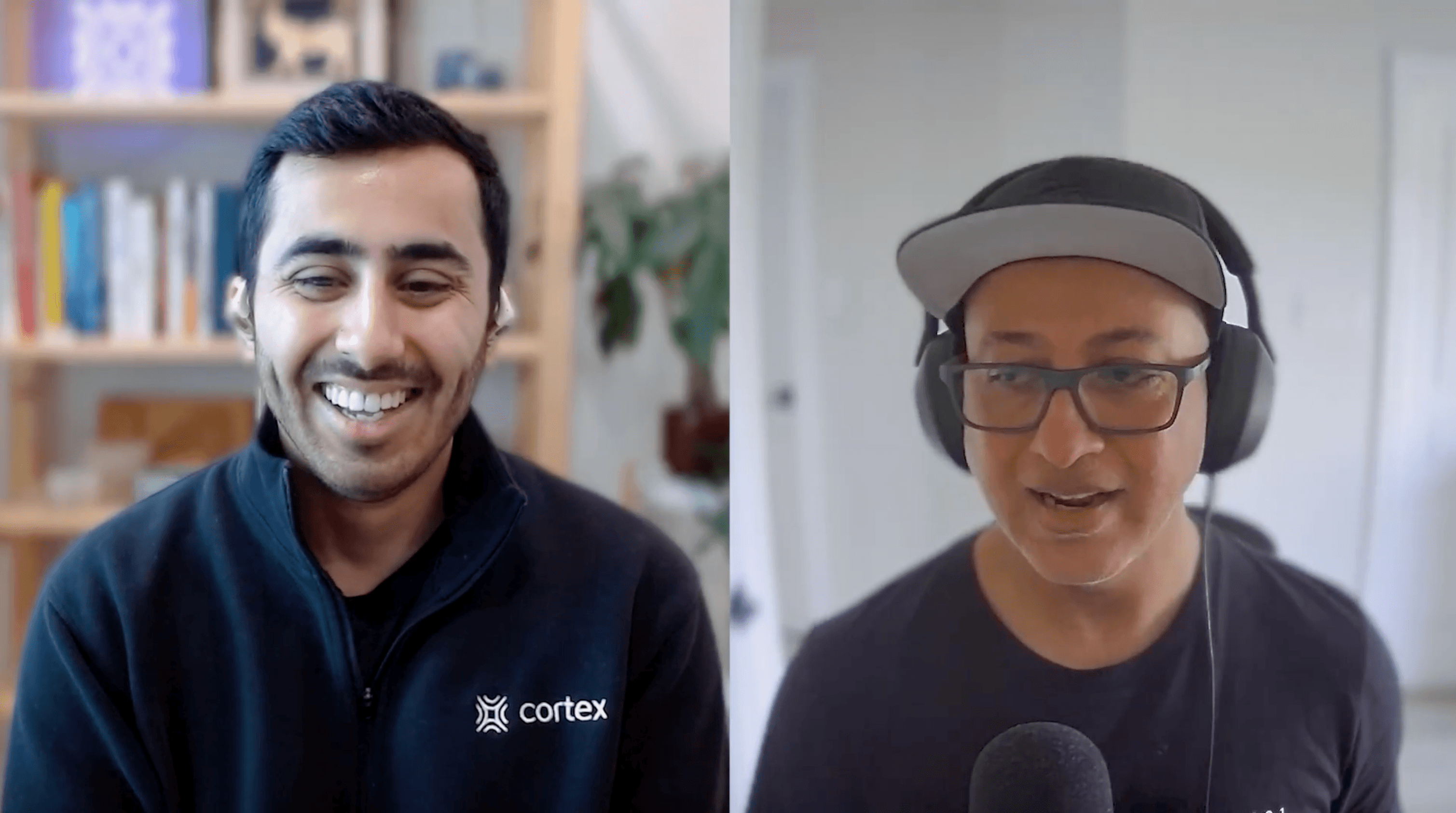
Okta's Dinesh Sukhija on Meeting AI with AI, and the Convergence of Platform, SRE, and Security
Dinesh Sukhija is a Director of Engineering at Okta, where he leads SRE, security infrastructure, and enterprise security tooling in the cyber defense org. Before Okta, he ran infrastructure and developer experience at Opendoor, where he was an early Cortex customer and helped build the DevEx practice.
In this episode of Braintrust, Dinesh joins Cortex CTO Ganesh Datta to talk about how platform engineering, SRE, and security are changing under AI: why golden paths still matter, why standardization is now an agent problem as much as a human one, and why the three functions may soon belong under one leader.
June 4, 2026
Dinesh Sukhija
Director of Engineering at Okta

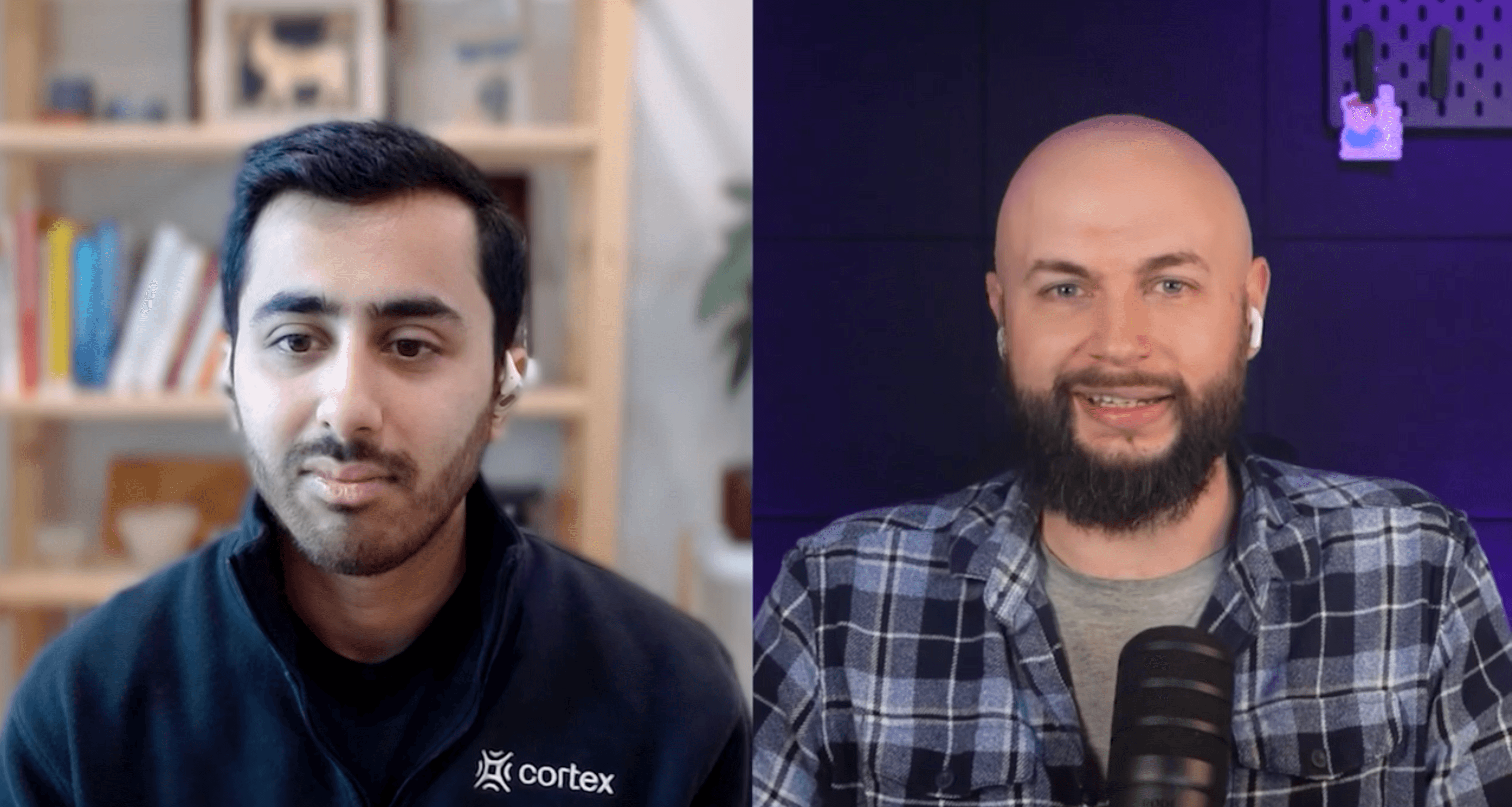
Why DevOps Transformations Fail in Regulated Industries, with Merge Ready's Matt Bailey
Matt Bailey is a DevOps consultant and the founder of Merge Ready, a DevOps community and YouTube channel. He spends most of his time working with large regulated organizations across finance, healthcare, and government, helping them untangle the tooling decisions and processes that stall their software delivery.
In this episode of Braintrust, Matt and Cortex CTO Ganesh Datta dig into why buying a new CI/CD platform doesn't count as a DevOps transformation, what "decision latency" costs regulated organizations, and how to automate compliance.
May 21, 2026
Matt Bailey
Founder & Executive Producer at Merge Ready

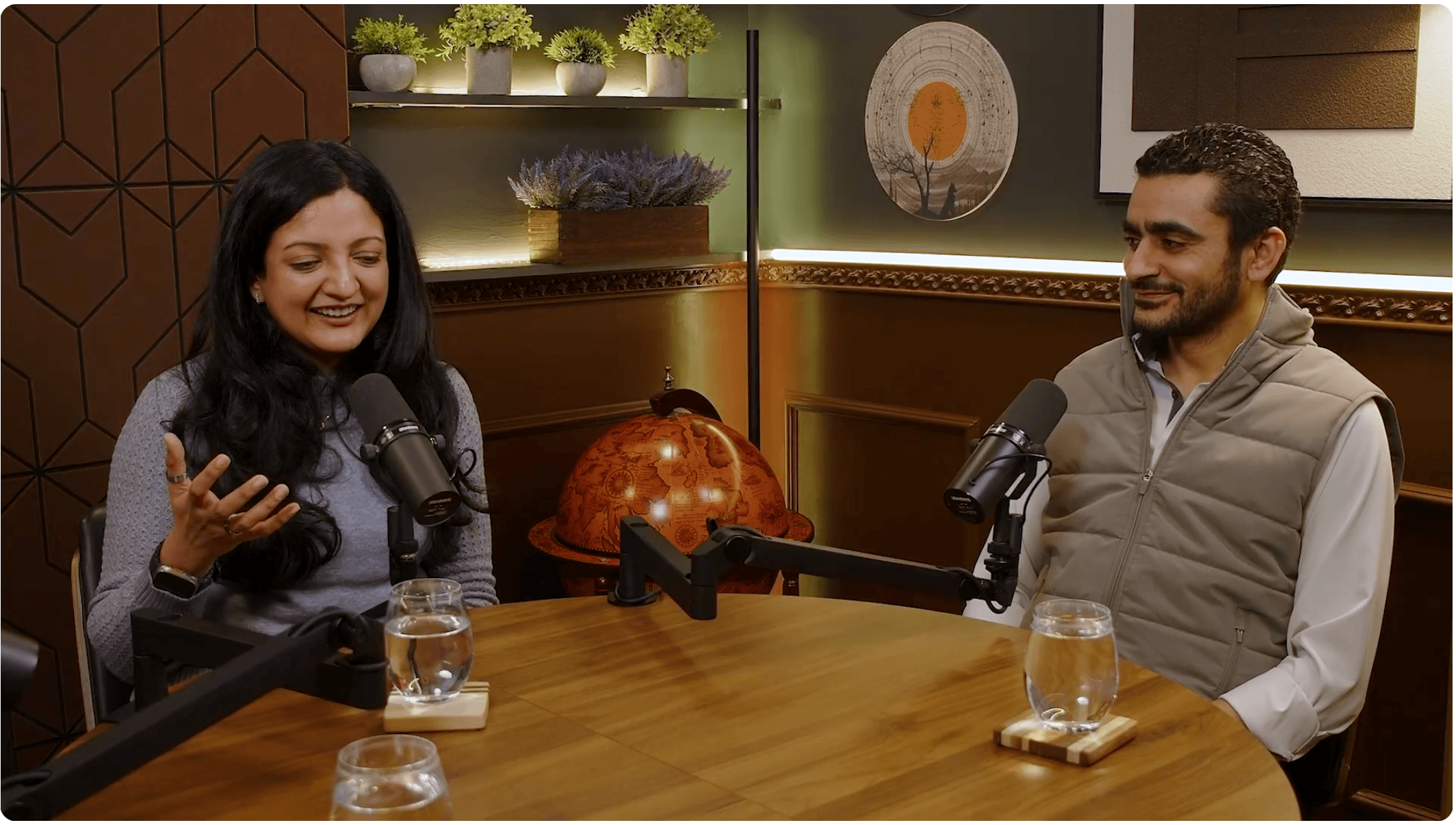
Building a developer platform like a product: Inside The New York Times with Sneha Rao and Ahmed Bebars
At The New York Times, roughly 1,000 engineers build everything in the NYT ecosystem from breaking news notifications to games to the cooking app. A single team, ‘Developer Platforms,’ owns the infrastructure they all ship on, from CI/CD and runtime to SRE and FinOps. Sneha Rao leads the group as its VP of Product, and Ahmed Bebars is a principal engineer who works closely with Sneha.
In this episode of Braintrust, both Sneha and Ahmed, join Cortex CTO Ganesh Datta to dig into what it actually means to run a developer platform with a product mindset. They discuss how the team's rename from Delivery Engineering reshaped which conversations they were part of, and why centralizing both reliability and cost functions inside the Platform org leads to better decisions than keeping them separate.
May 7, 2026
Sneha Rao & Ahmed Bebars
VP of Product Management & Principal Engineer at The New York Times